

The Convent of Christ: Portugal's Greatest Templar Monument
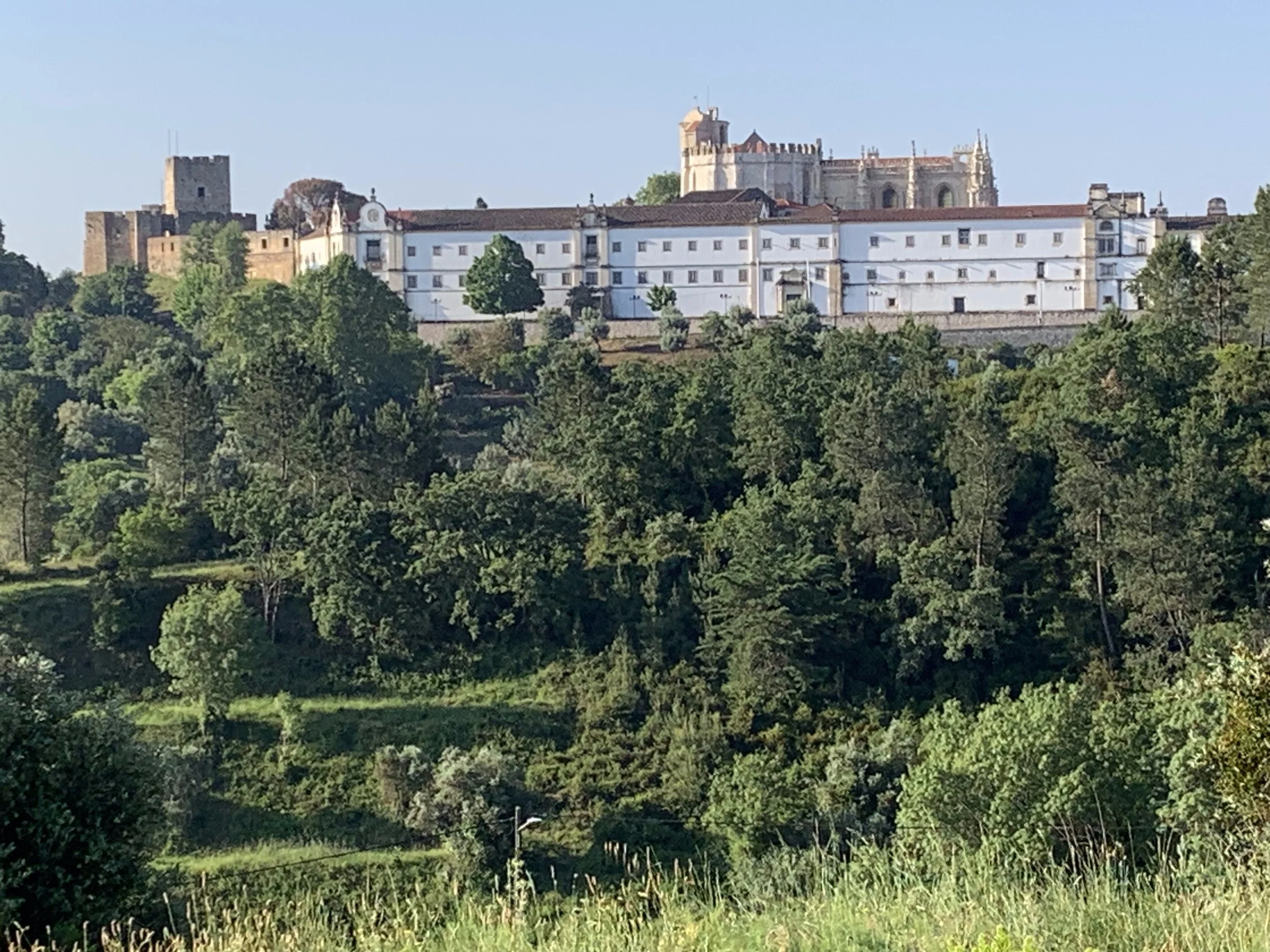
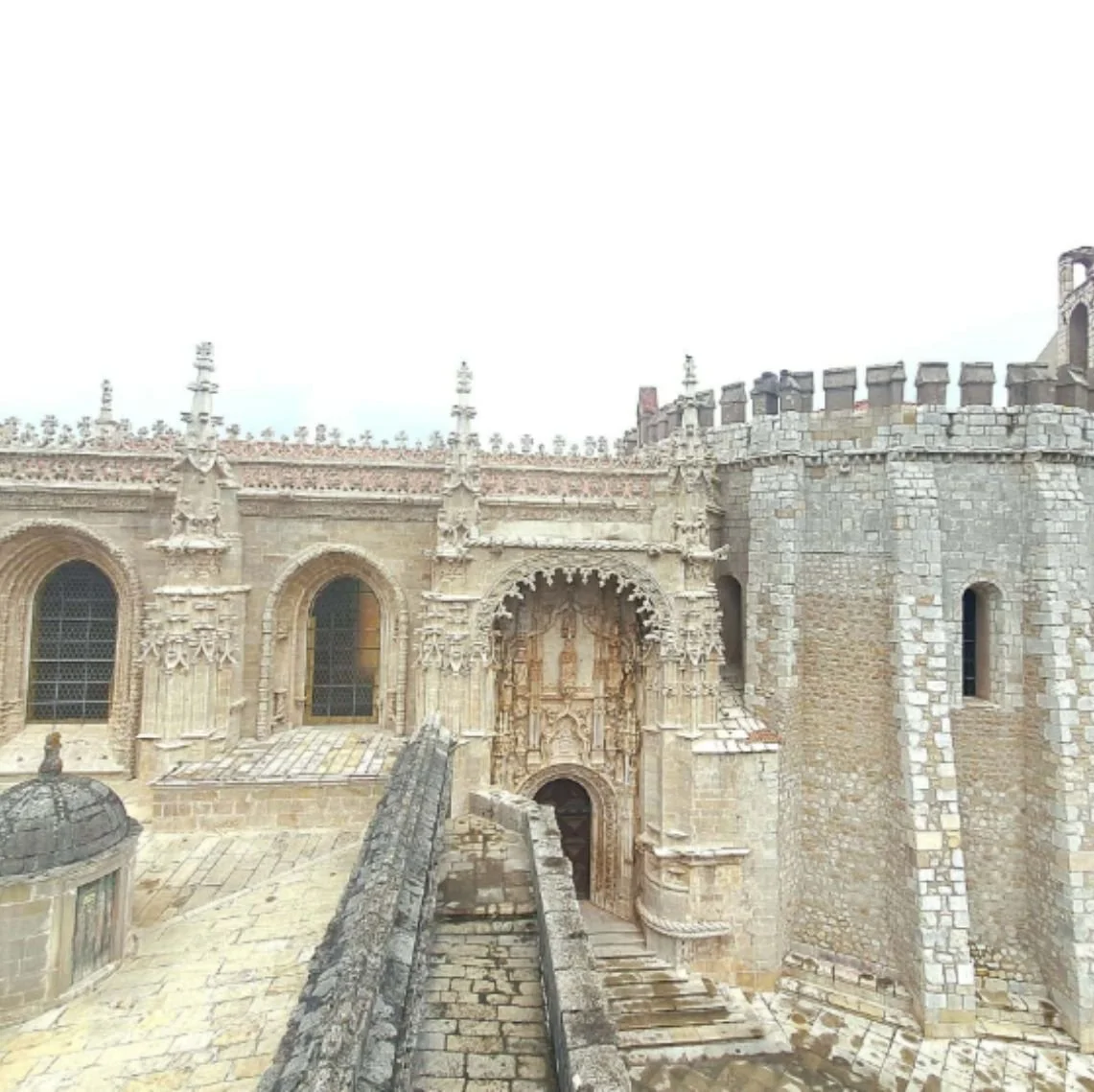
Among all the historical sites associated with the Knights Templar in Europe, few compare to the Convent of Christ in Tomar. This extraordinary complex is widely regarded as one of Portugal’s most important cultural and architectural landmarks, and for many visitors it becomes the highlight of their entire trip to the country.
Recognised as a UNESCO World Heritage Site, the Convent of Christ represents nearly eight centuries of continuous history. It is not a single building from one era, but a layered complex that reflects the evolution of Portugal itself—from the medieval Templar period through to the Age of Discovery and beyond.
For travellers from the United States, Canada, and around the world, the Convent of Christ offers a rare opportunity to walk through living history connected directly to the Knights Templar, medieval Christianity, and the formation of the Portuguese nation.
The Original Knights Templar Stronghold
Construction of the original structure began in the twelfth century under the leadership of Gualdim Pais, one of the most important Knights Templar figures in Portugal. He founded Tomar as a strategic stronghold during the Reconquista, when Christian forces were expanding southward across the Iberian Peninsula.
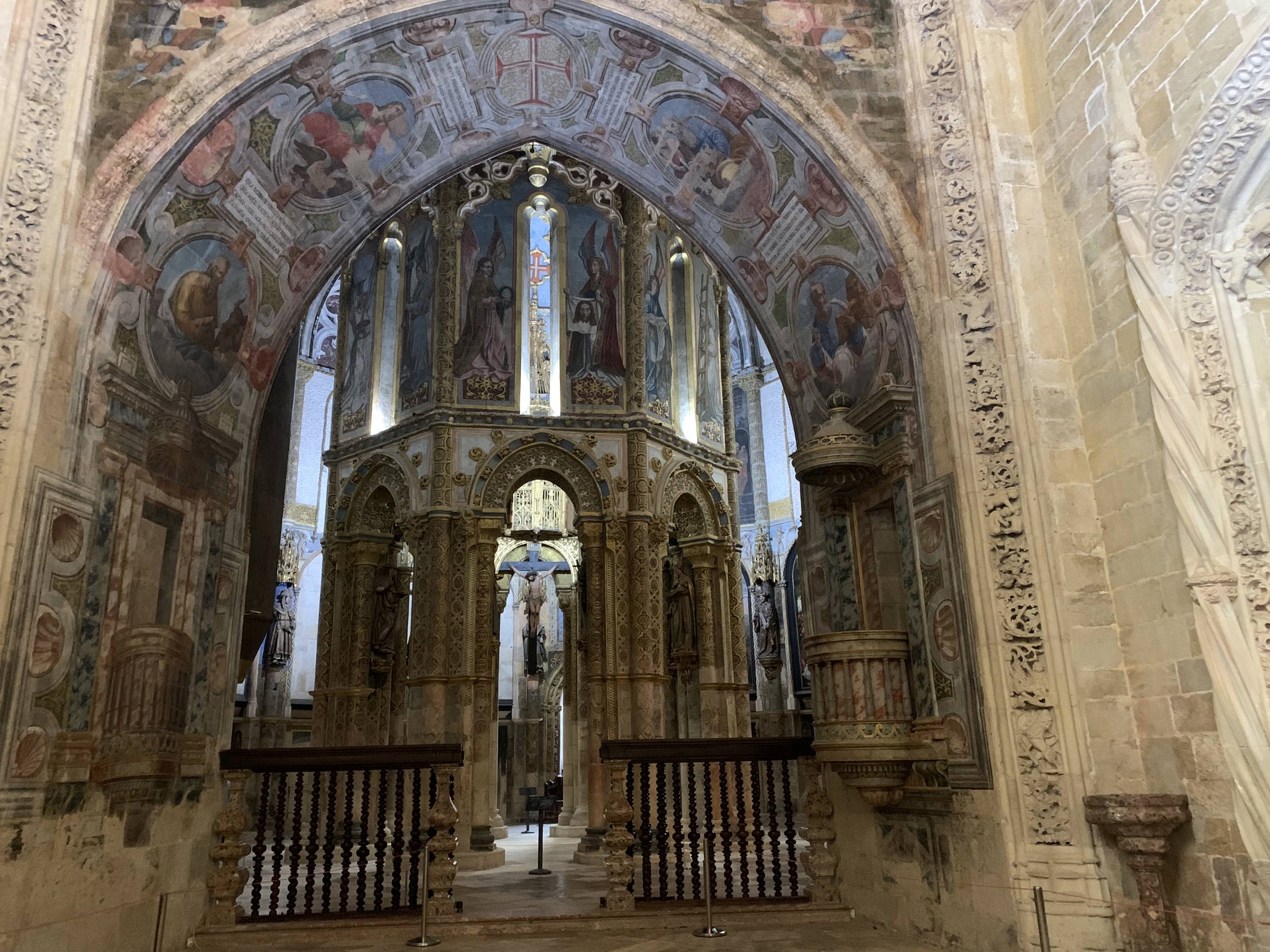
At the heart of the complex stands the famous Charola, a rare circular church inspired by the Church of the Holy Sepulchre in Jerusalem. This unique design reflects the spiritual and military influence of the Templars, who were deeply connected to the Holy Land.
The Charola served as the spiritual centre of the Knights Templar in Portugal and remains one of the most distinctive religious spaces in Europe.
From Knights Templar to the Order of Christ
When the Knights Templar were officially dissolved across Europe in the early fourteenth century, Portugal took a different path. Rather than destroying the order’s legacy, the Portuguese crown restructured it as the Order of Christ.
This decision ensured that many Templar properties, including Tomar, were preserved and expanded rather than abandoned.
As a result, the Convent of Christ evolved over centuries, absorbing new architectural styles and political influences while maintaining its original Templar foundation. This continuous transformation is what makes the site so historically significant today.
Architectural Highlights of the Convent of Christ
Visitors to the Convent of Christ can explore an exceptional range of architectural styles and historical layers, including:
The iconic Charola and its Templar symbolism
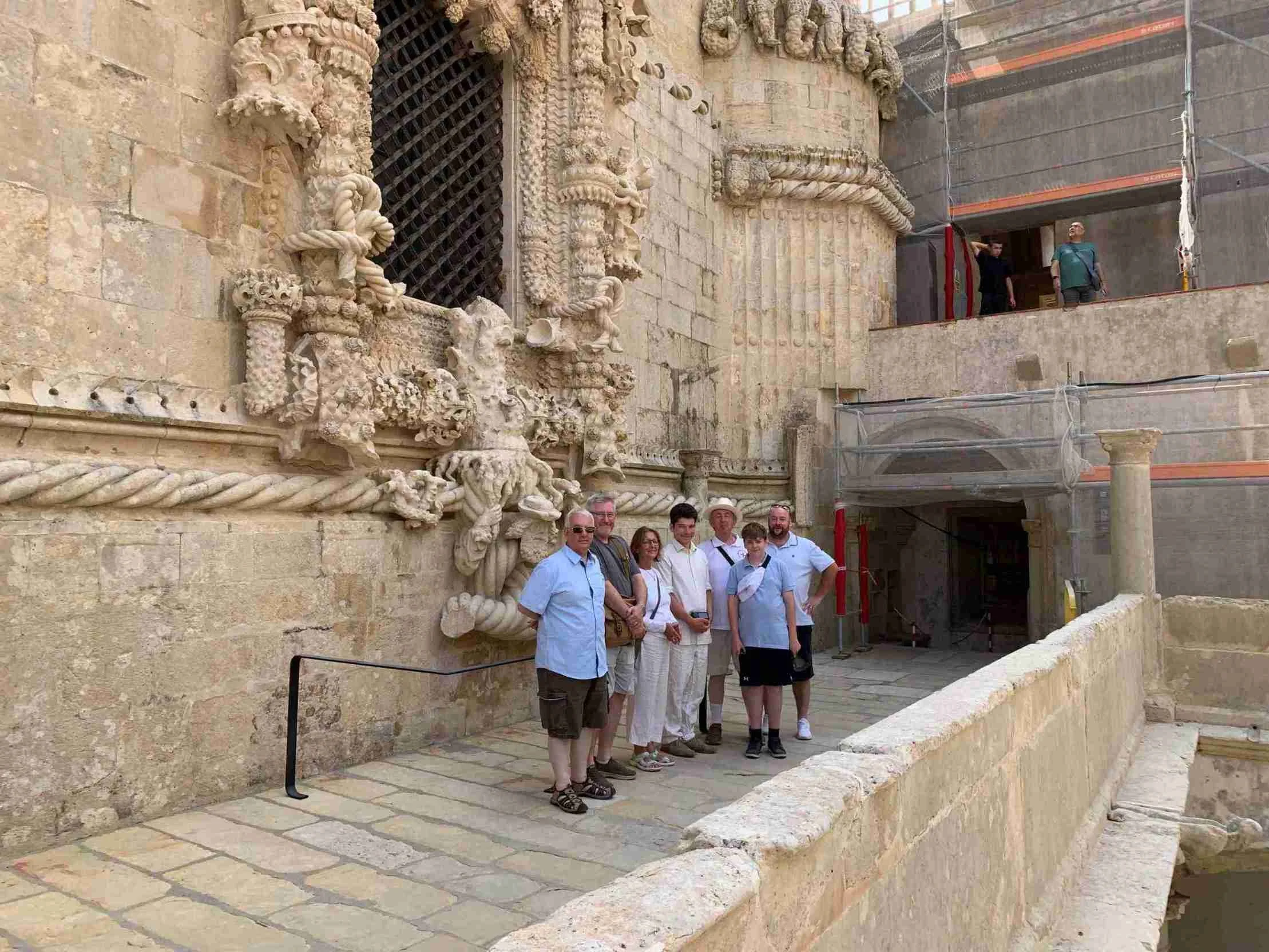
Manueline windows and intricate stone carvings
Renaissance cloisters and monastic courtyards
Medieval defensive walls and fortifications
Former monastic living quarters and religious halls
Each section of the complex represents a different chapter in Portuguese history, creating a rare experience where multiple centuries coexist within a single site.
Why the Convent of Christ Matters Today
The Convent of Christ is far more than a monument or museum. It tells the story of how Portugal preserved the legacy of the Knights Templar and transformed it into an institution that played a key role in the Age of Discovery.
For history lovers, architecture enthusiasts, and travellers interested in medieval Europe, it stands as one of the most fascinating and important historical sites in the entire continent.
A visit to Tomar is not complete without experiencing the Convent of Christ in person—it is here that the story of the Knights Templar in Portugal truly comes to life.