

Santa Maria do Olival: The Spiritual Heart of the Templar’s
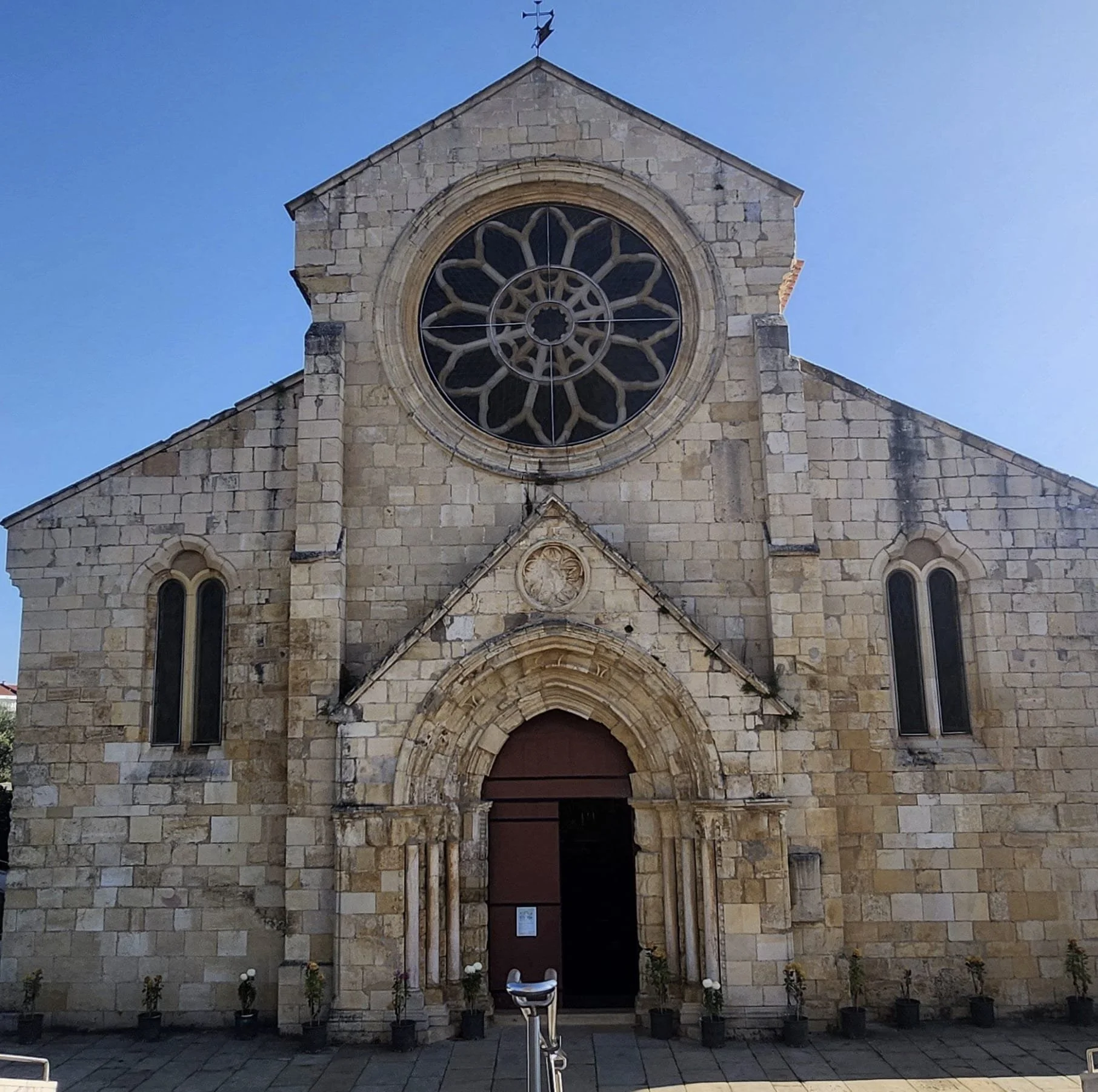
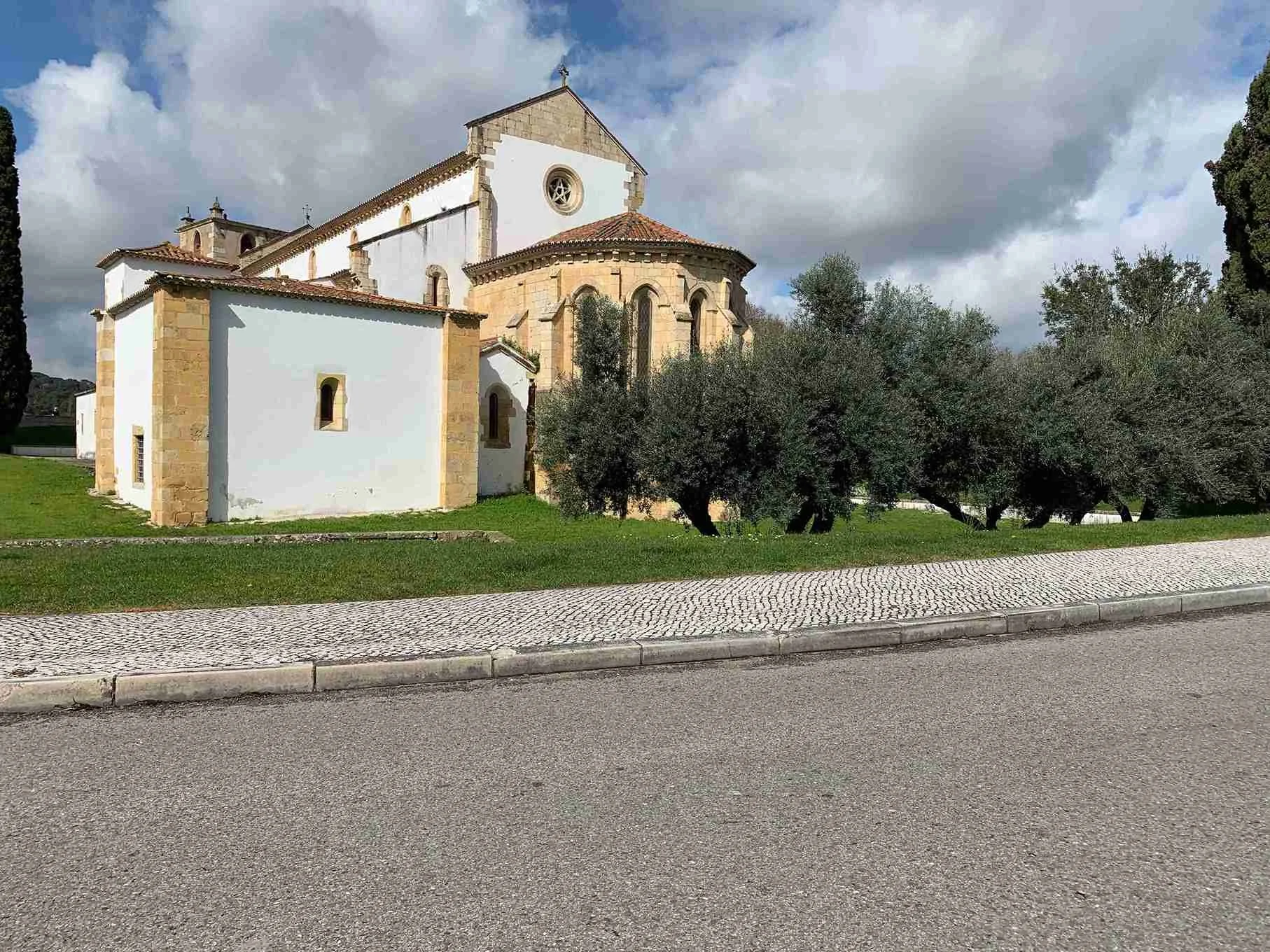
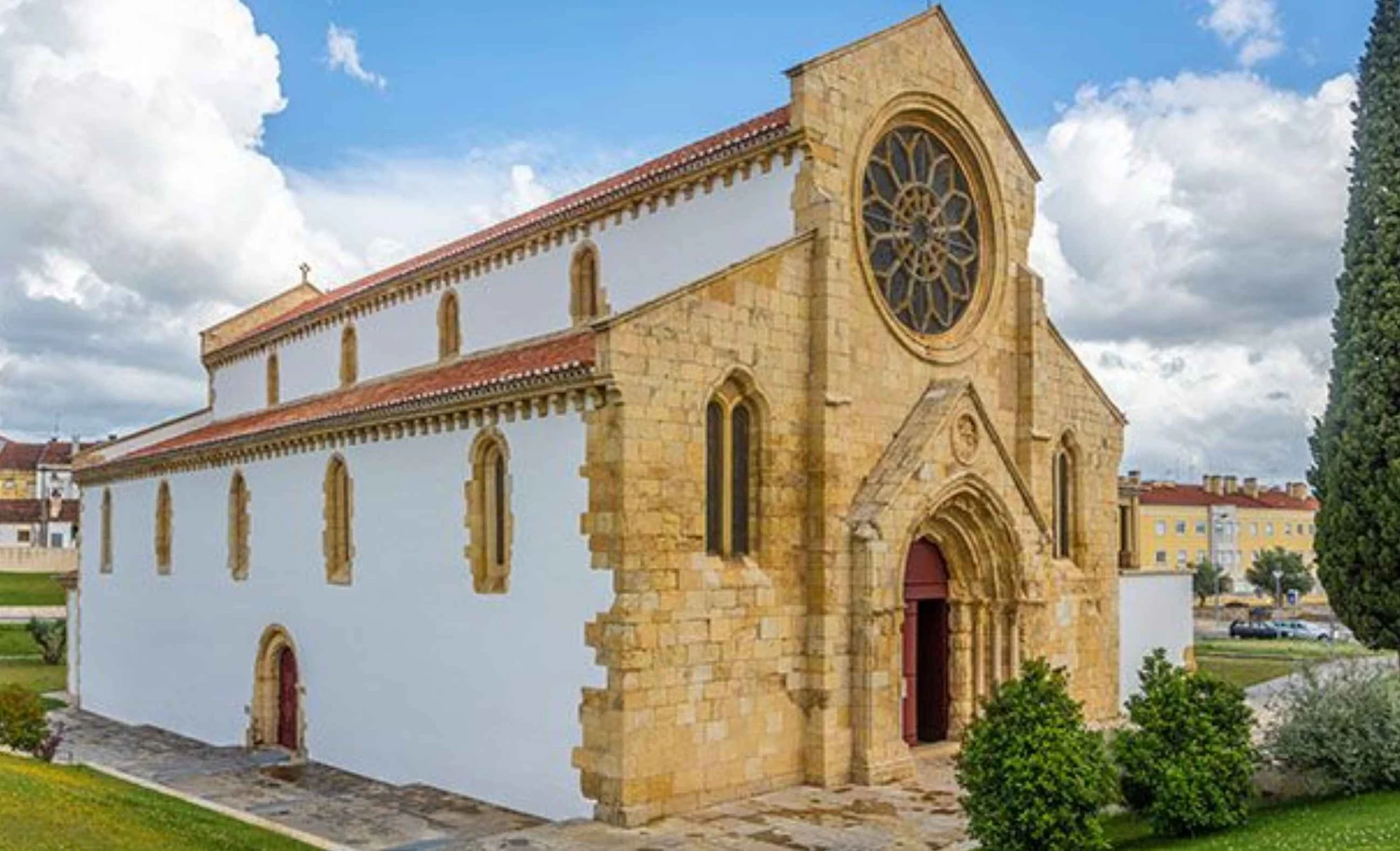
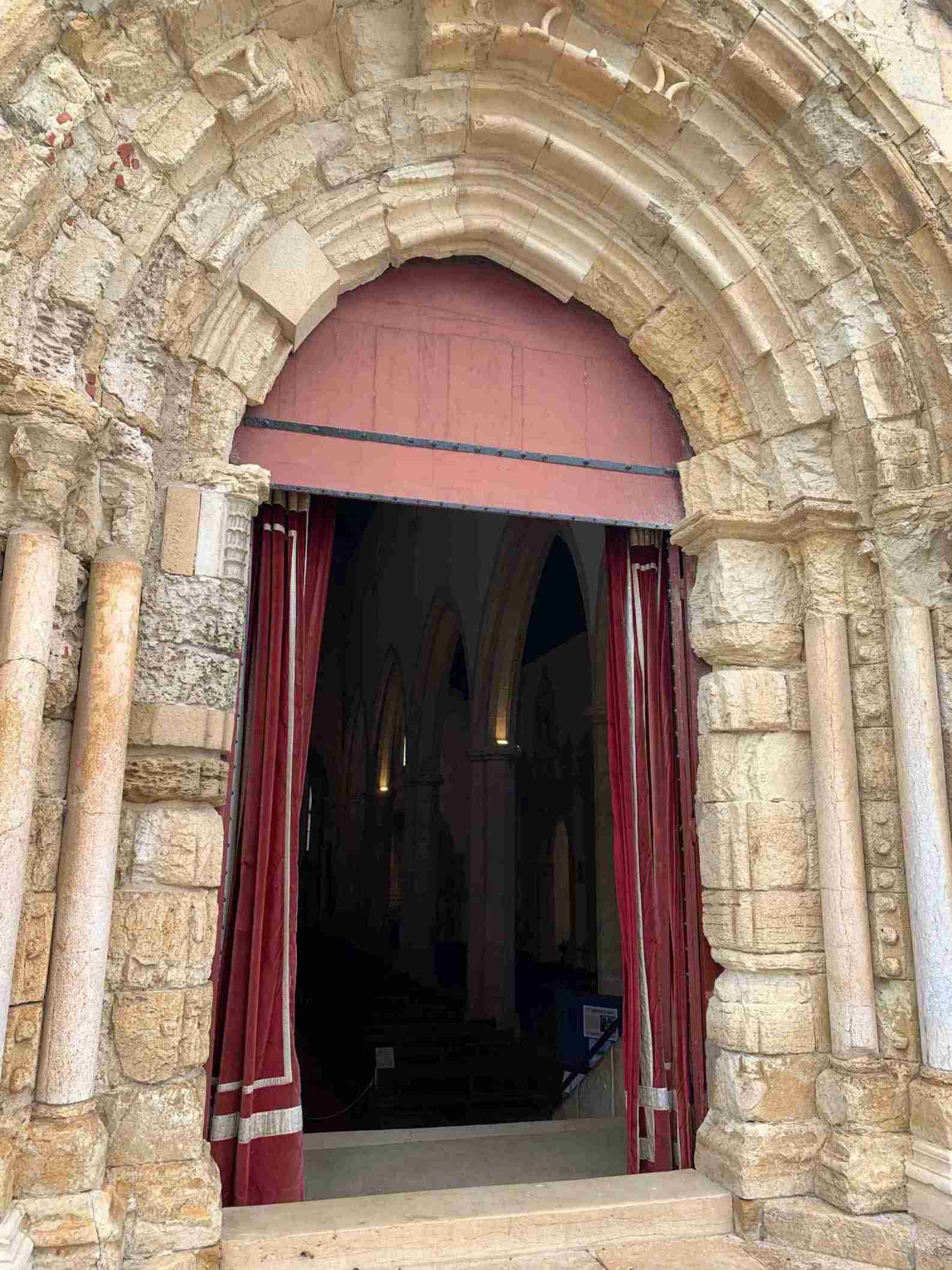
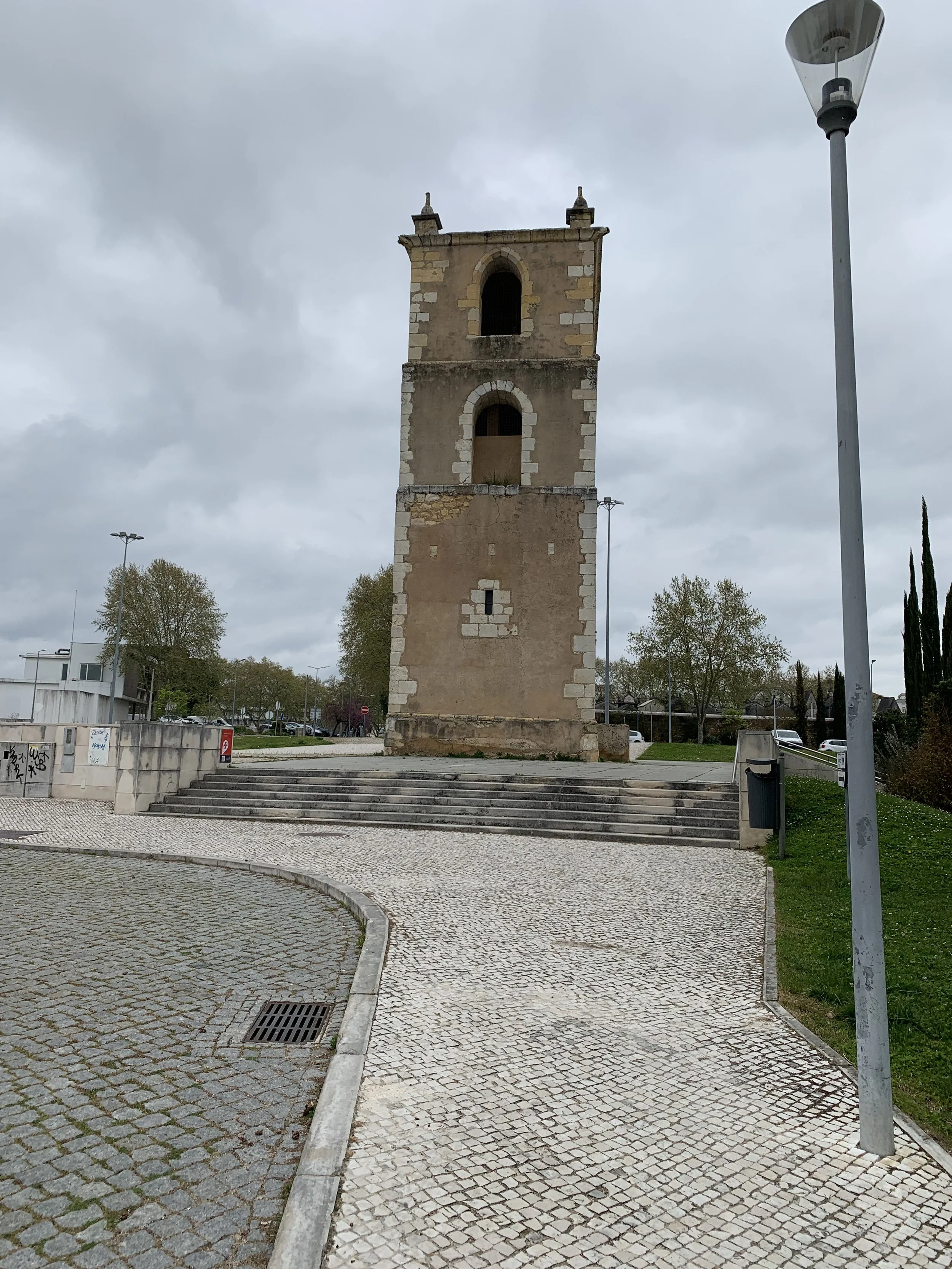
While many visitors to Tomar focus on the Castle of Tomar and the Convent of Christ, another site played an equally important role in the history of the Knights Templar in Portugal.
The Church of Santa Maria do Olival is one of the most significant Templar monuments in the country. Although smaller and less famous than the Convent of Christ, it offers something many larger historical sites cannot: a direct connection to the men who led the Knights Templar during one of the most important periods in Portuguese history.
For visitors interested in understanding the true legacy of the Knights Templar, Santa Maria do Olival is an essential stop when exploring Tomar.
A Church Built by the Knights Templar
The Church of Santa Maria do Olival was constructed during the twelfth century under the patronage of the Knights Templar. At a time when Tomar was developing into the order's most important Portuguese stronghold, the church became a central religious and ceremonial site.
Unlike many medieval churches that evolved over centuries, Santa Maria do Olival was closely associated with the Templars from its earliest days. It served not only as a place of worship but also as a symbol of the order's influence and presence in the region.
The church would eventually become the mother church for numerous Templar churches throughout Portugal, further strengthening its importance within the organisation.
The Final Resting Place of Gualdim Pais
Perhaps the most famous individual associated with Santa Maria do Olival is Gualdim Pais, the Templar knight who founded Tomar in 1160.
As Grand Master of the Knights Templar in Portugal, Gualdim Pais played a crucial role in defending and expanding the young Portuguese kingdom. His leadership helped establish Tomar as one of the most important Templar centres in Europe.
Today, visitors can still see his tomb inside the church.
Standing before the burial place of the man who founded the city provides a powerful connection to Portugal's medieval past and helps visitors understand the individuals behind the history.
Architecture and Atmosphere
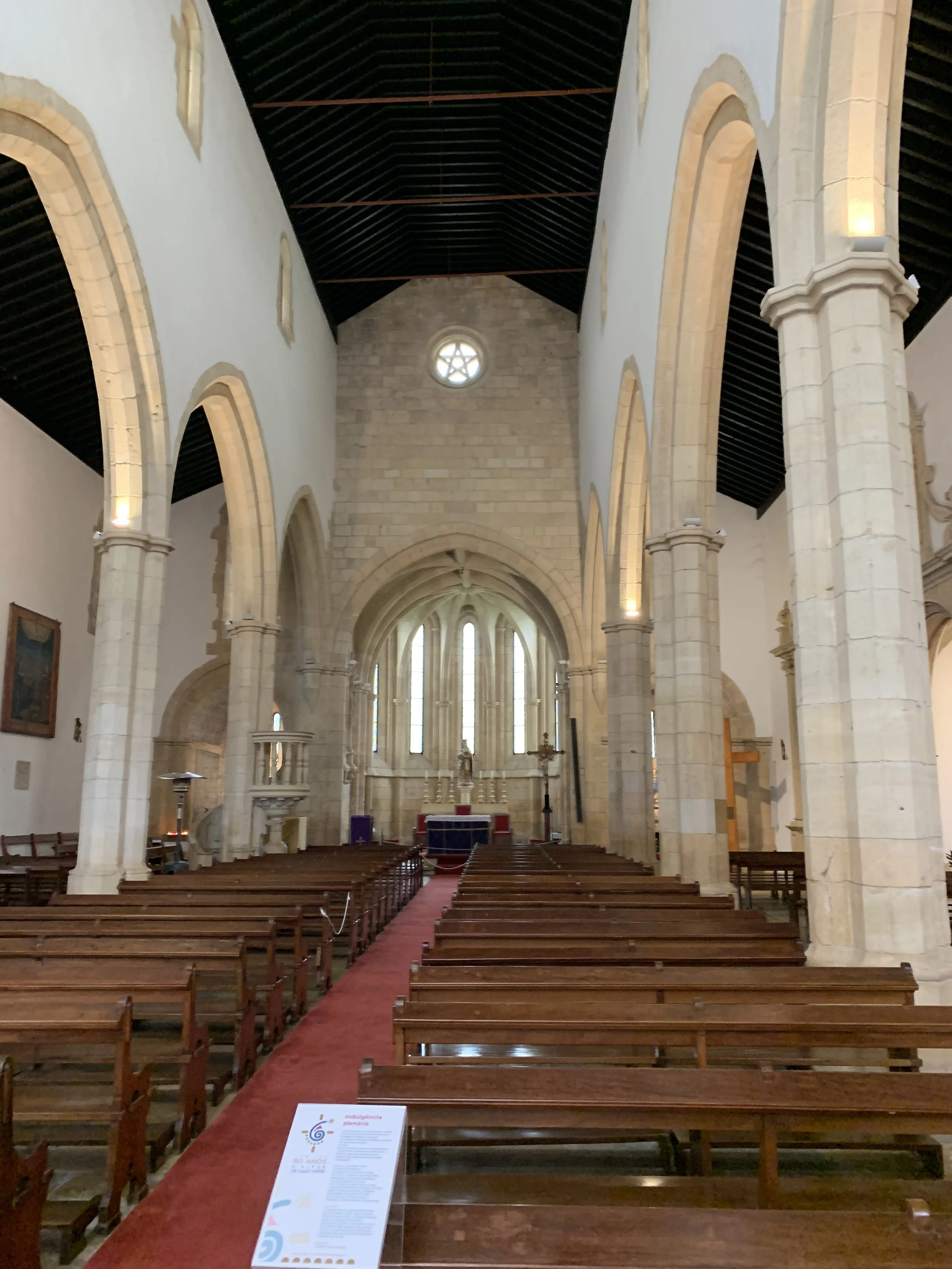
The architecture of Santa Maria do Olival reflects the transition between Romanesque and Gothic styles that occurred during the medieval period.
Its elegant façade, pointed arches, and simple interior create a very different atmosphere from the grand scale of the Convent of Christ.
Many visitors appreciate this contrast.
Rather than overwhelming visitors with decoration, the church offers a sense of quiet reflection and historical authenticity. The peaceful setting allows visitors to imagine what the site may have looked like during the height of Templar influence in Portugal.
The church's design has influenced numerous later religious buildings and remains an important example of medieval Portuguese architecture.
Why Visit Santa Maria do Olival?
Visitors often ask whether Santa Maria do Olival is worth adding to their Tomar itinerary.
The answer is undoubtedly yes.
While the Convent of Christ tells the story of the Templars as an institution, Santa Maria do Olival tells the story of the people themselves. It is here that visitors gain a more personal understanding of the knights, leaders, and religious traditions that shaped Tomar's history.
The church also provides valuable context for understanding the wider Templar legacy in Portugal and the remarkable role that Tomar played during the Middle Ages.
Discovering the Human Side of Templar History
The Church of Santa Maria do Olival is more than a historic monument. It is a place where the stories of the Knights Templar become personal and tangible.
For history enthusiasts, architecture lovers, and anyone interested in Portugal's medieval heritage, the church offers a unique perspective that complements visits to Tomar Castle and the Convent of Christ.
Together, these sites help tell one of the most fascinating chapters in Portuguese history.
If you are planning a visit to Tomar, be sure to include Santa Maria do Olival on your itinerary. It remains one of the city's most important historical treasures and one of the most meaningful